Skip to content

If you’ve recently signed up and haven’t received an email, please check your spam or junk folder.

[custom_title_search]

Year 3

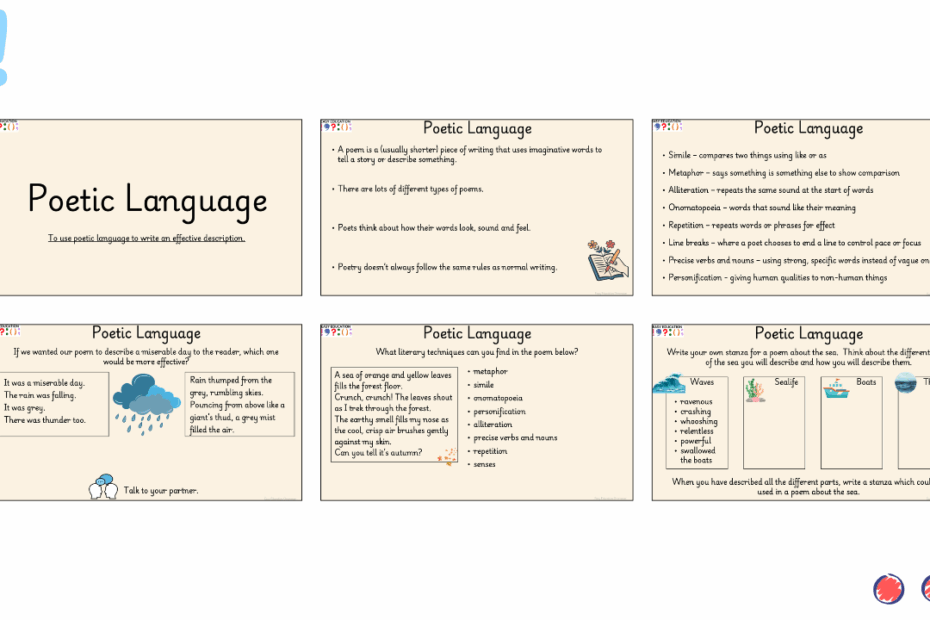
Poetic Language

This resource helps pupils understand the language features that make poetry effective and engaging. It explores techniques such as similes, metaphors, alliteration, onomatopoeia, repetition and personification, as well as the role of precise verbs, nouns and sensory detail. Through examples,… Read More »Poetic Language
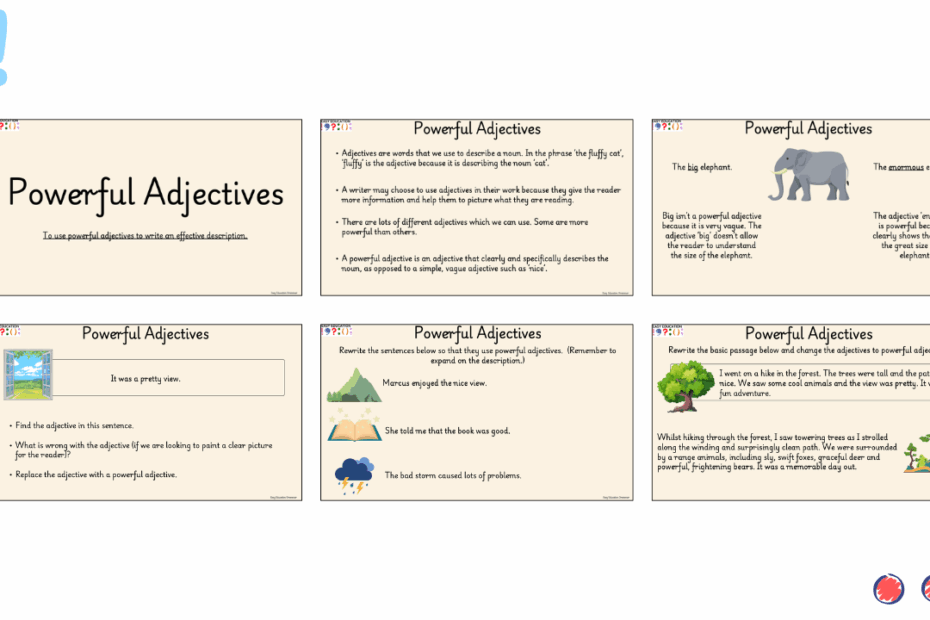
Powerful Adjectives

This resource helps pupils replace vague adjectives with powerful, precise alternatives that bring writing to life. Through clear explanations, examples and guided tasks, learners explore how word choice can paint a sharper picture, convey emotion and make descriptions more engaging.… Read More »Powerful Adjectives

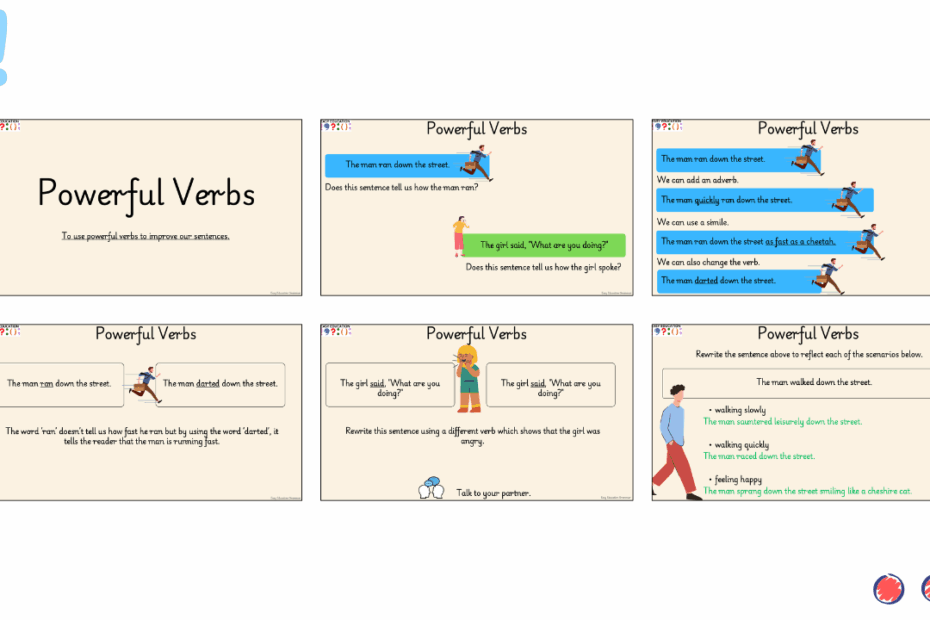
Powerful Verbs

This resource teaches pupils how to replace ordinary verbs with powerful verbs that make actions more precise, vivid and engaging. Pupils explore how strong verb choices can show speed, mood or attitude without needing extra explanation. Through examples, partner talk… Read More »Powerful Verbs

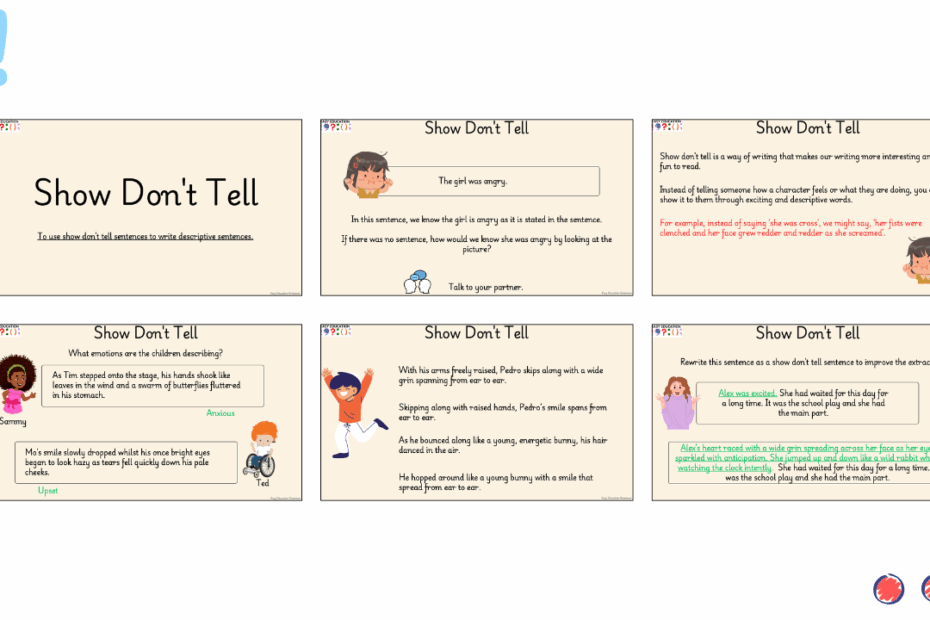
Show Don’t Tell

This resource teaches pupils how to show, not tell in their writing, helping them describe emotions, actions and situations in a way that allows the reader to picture them clearly. Pupils learn to replace simple ‘telling’ sentences with descriptive details… Read More »Show Don’t Tell

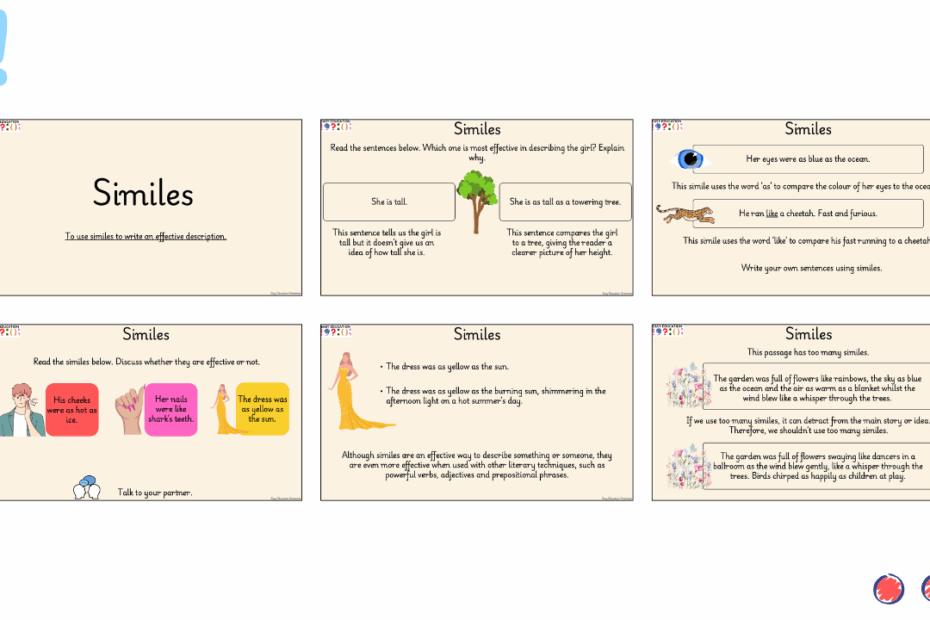
Similes

This resource teaches pupils how to use similes to make their descriptions clearer and more engaging. Pupils learn how to compare one thing to another using ‘like’ or ‘as’ to help the reader picture an image more vividly. They explore… Read More »Similes

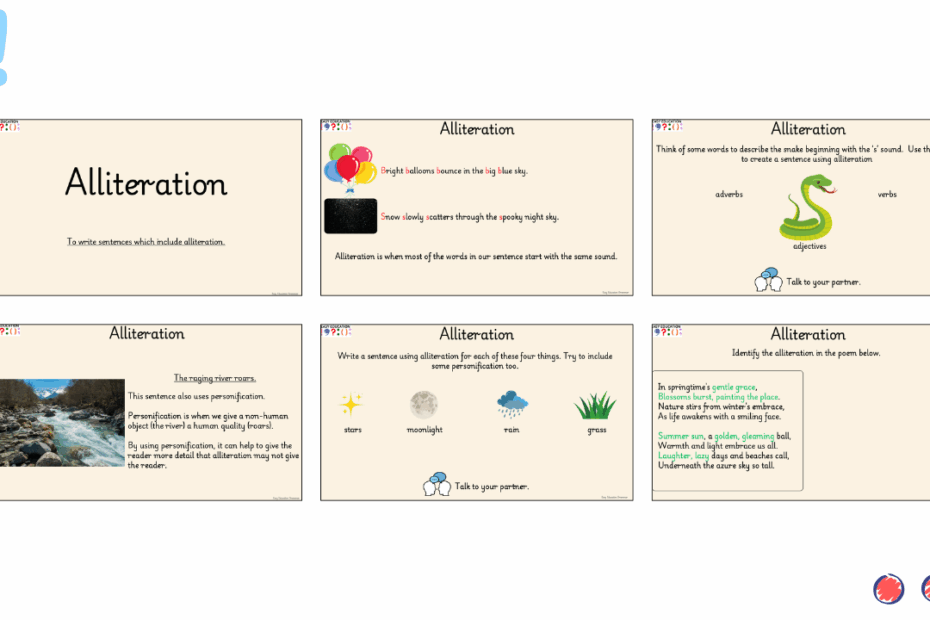
Alliteration

This alliteration lesson pack shows how repeating the same sound can make writing more engaging. Pupils learn what alliteration is, why writers use it and how it can create mood, grab attention and make language more memorable. With examples, partner… Read More »Alliteration

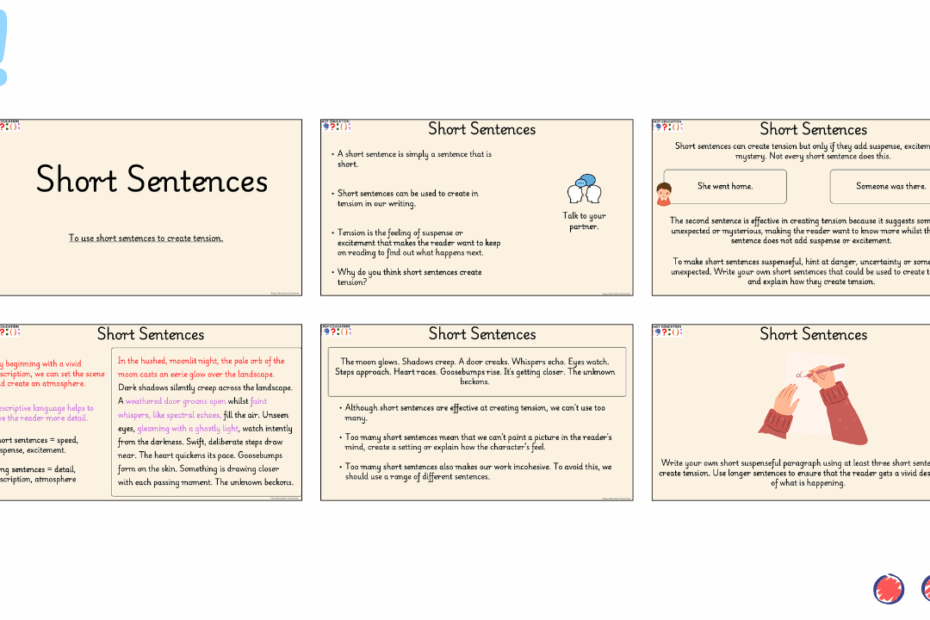
Short Sentences

This resource teaches pupils how to use short sentences to build tension and keep the reader hooked. It explains how short, sharp statements can make action feel urgent, create suspense and break the flow of longer sentences for dramatic effect.… Read More »Short Sentences

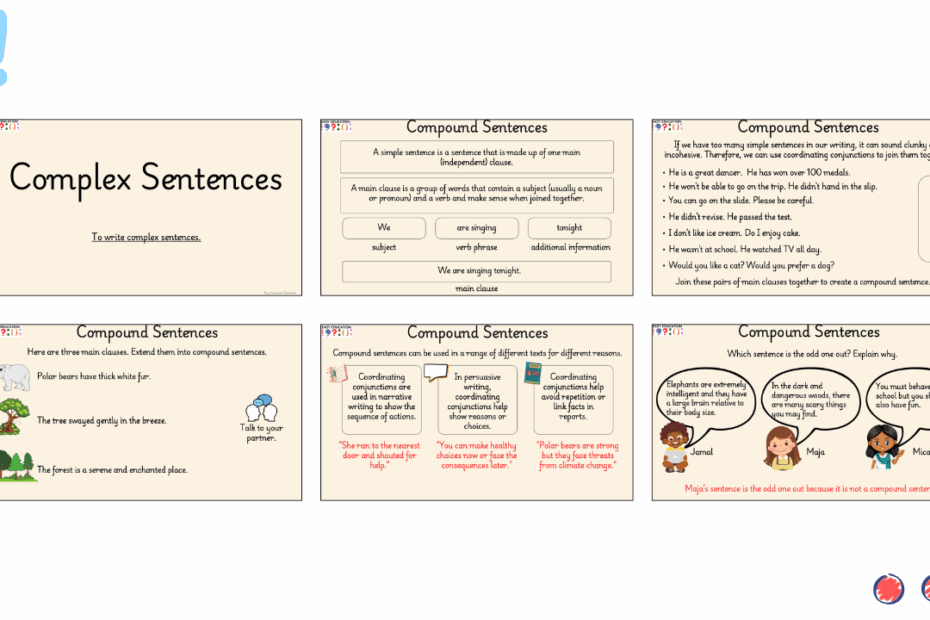
Compound Sentences

This resource teaches pupils how to use compound sentences to connect related ideas and make their writing flow smoothly. It explains how to link two main clauses with coordinating conjunctions and gives clear guidance on when to use each one.… Read More »Compound Sentences

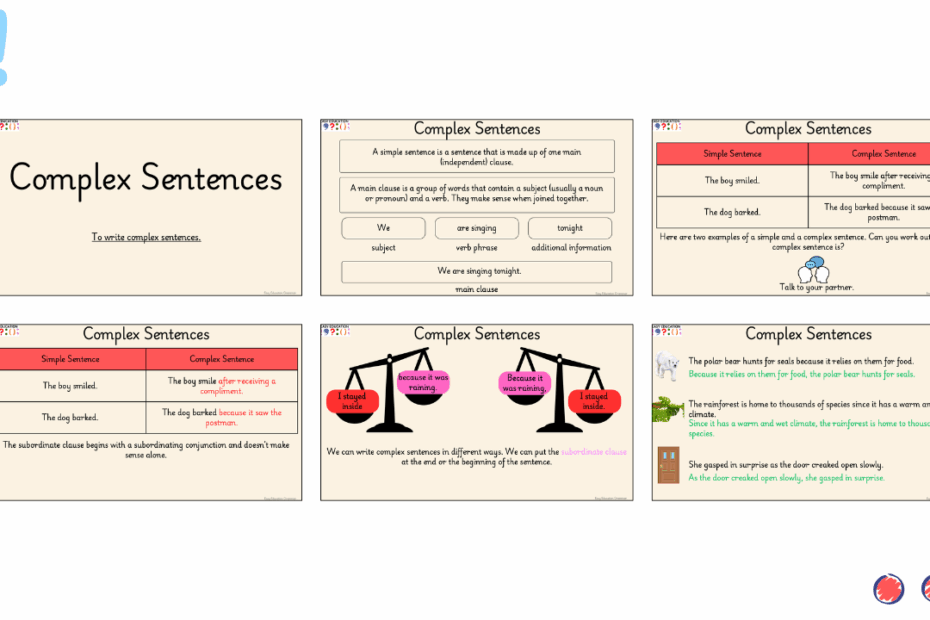
Complex Starters

This resource helps pupils use complex sentences to add extra information and detail to their writing. It explains how to join a main clause with a subordinate clause, introduces common subordinating conjunctions and shows how sentence order affects punctuation. With… Read More »Complex Starters

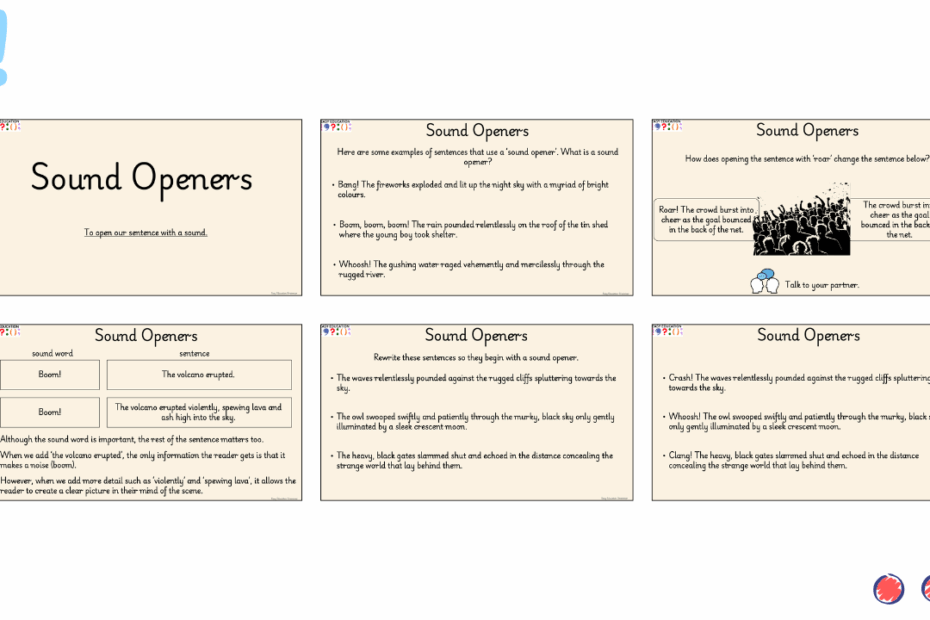
Sound Sentence Openers

This lesson teaches pupils how to start sentences with sound words to grab attention, create atmosphere and draw the reader into the action. Through clear explanations, modelled examples and rewriting tasks, pupils explore how sound openers—often using onomatopoeia—can add drama,… Read More »Sound Sentence Openers