Skip to content

If you’ve recently signed up and haven’t received an email, please check your spam or junk folder.

[custom_title_search]

Year 3

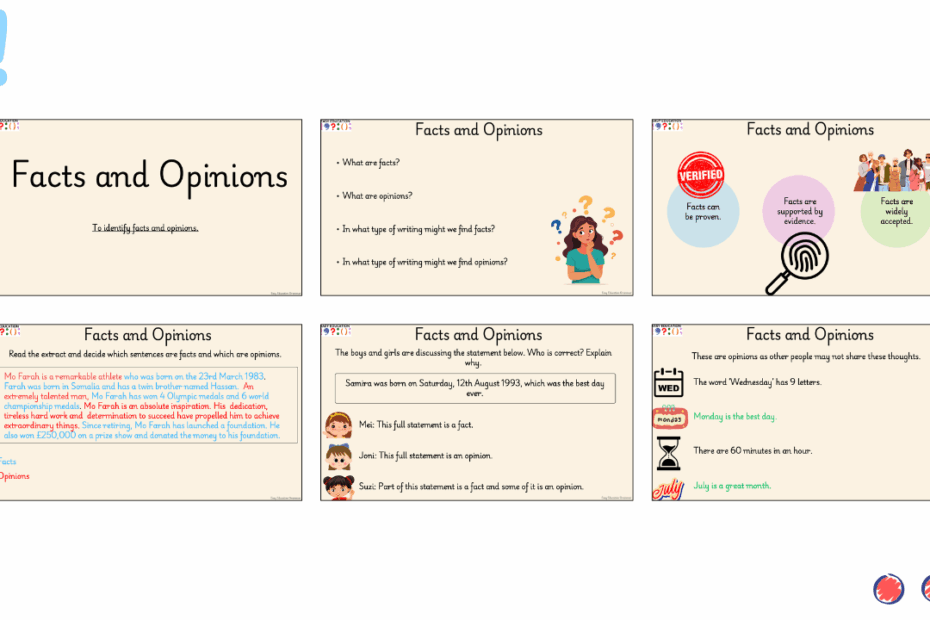
Facts and Opinions

This PowerPoint explains the difference between facts and opinions in a clear and engaging way. Pupils learn that facts can be proved while opinions are personal thoughts or feelings. Through examples and guided practice, children sort statements, explain their choices… Read More »Facts and Opinions

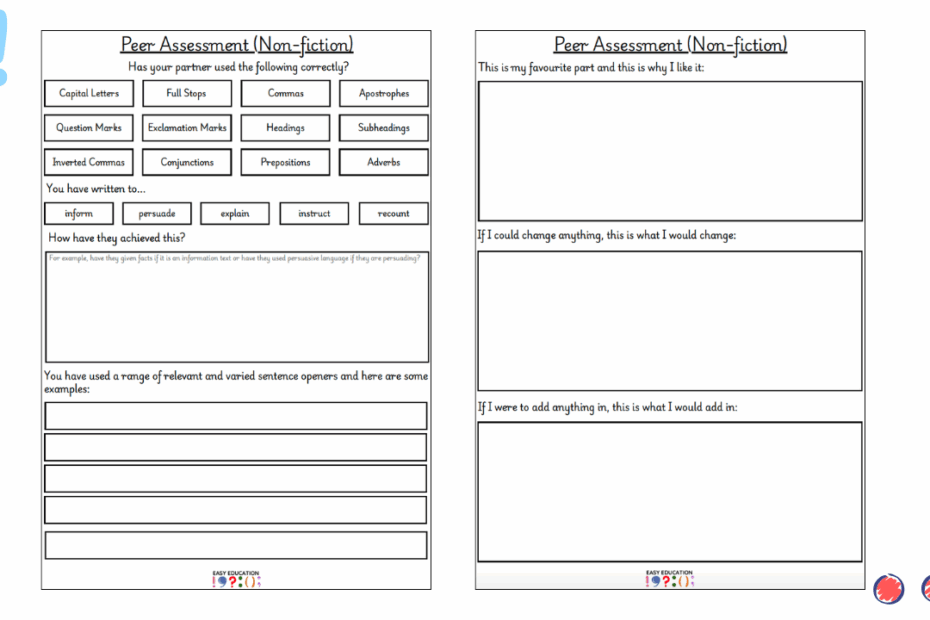
Non-Fiction Peer Assessment

This resource supports pupils in giving constructive feedback on non-fiction writing. Using clear prompts, pupils check for accurate punctuation, organisation features and purpose-specific language such as facts, persuasive vocabulary or instructions. They highlight effective sentence openers, share what they enjoyed… Read More »Non-Fiction Peer Assessment

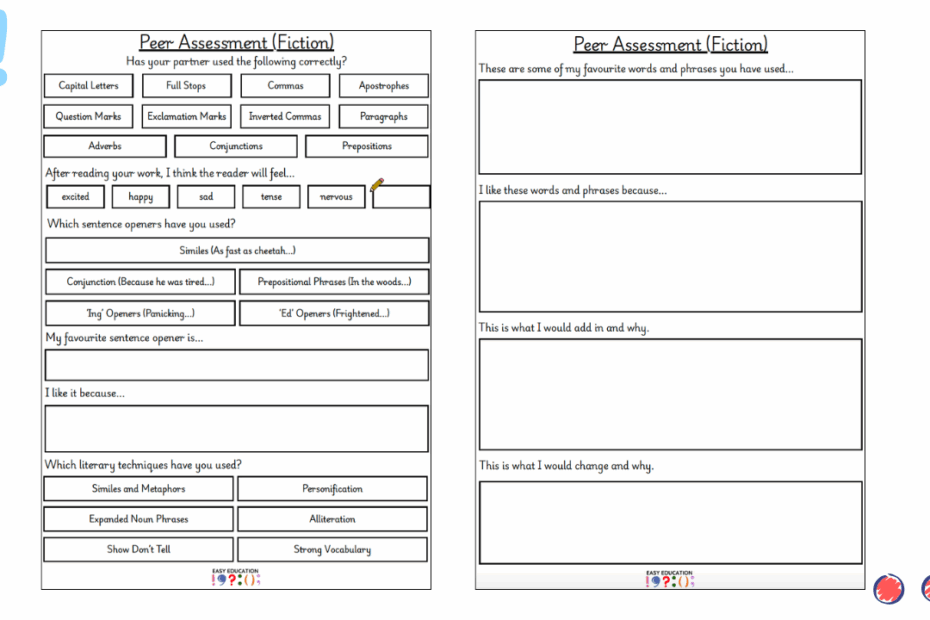
Fiction Peer Assessment

This resource helps pupils develop their editing and peer assessment skills in fiction writing. Through guided prompts, pupils evaluate a partner’s work by identifying effective sentence openers, literary techniques and punctuation use. They also reflect on how the writing makes… Read More »Fiction Peer Assessment

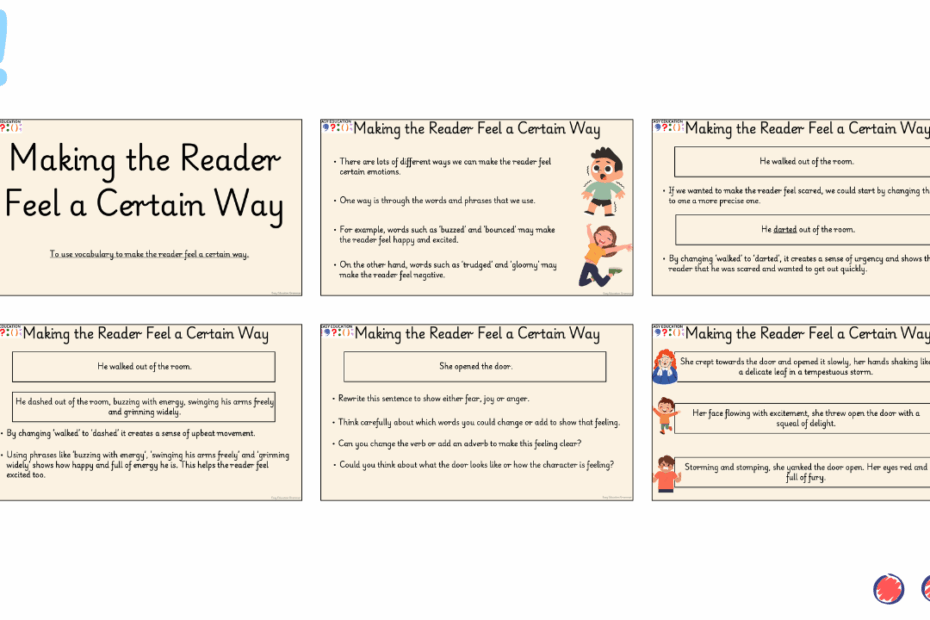
Reader Emotion

This resource teaches pupils how to use vocabulary and description to make the reader feel a particular emotion. Through clear examples, guided activities and creative tasks, pupils learn how word choice can change the mood of a sentence. They also… Read More »Reader Emotion

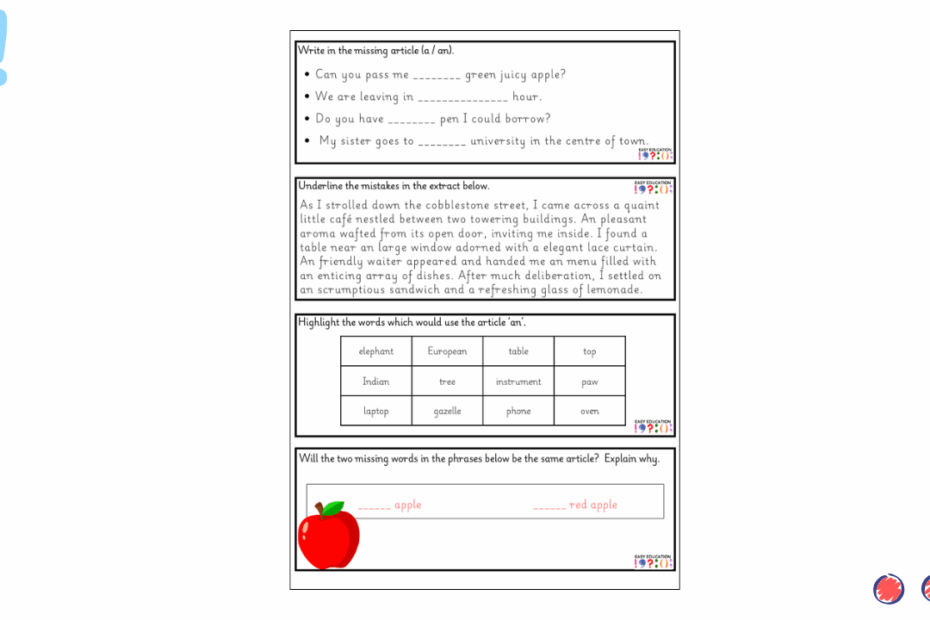
A or An Objective Starters

This activity helps children practise when to use ‘a’ and ‘an’ correctly before nouns. Pupils work through short word lists, fill-in-the-blank sentences and an error-spotting passage, giving them the chance to apply the rule in different contexts. The tasks are… Read More »A or An Objective Starters