Skip to content

If you’ve recently signed up and haven’t received an email, please check your spam or junk folder.

[custom_title_search]

Writing to Entertain

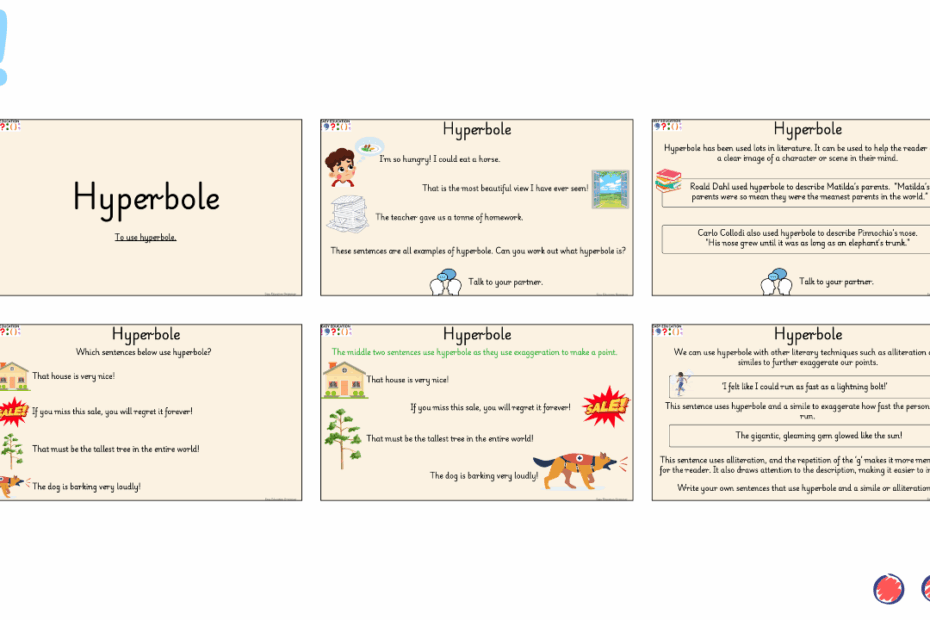
Hyperbole

This lesson teaches students how to use hyperbole to add exaggeration for emphasis and impact. Through engaging examples from literature, persuasive writing and everyday speech, pupils explore how hyperbole can create vivid mental images and influence the reader’s emotions. They… Read More »Hyperbole
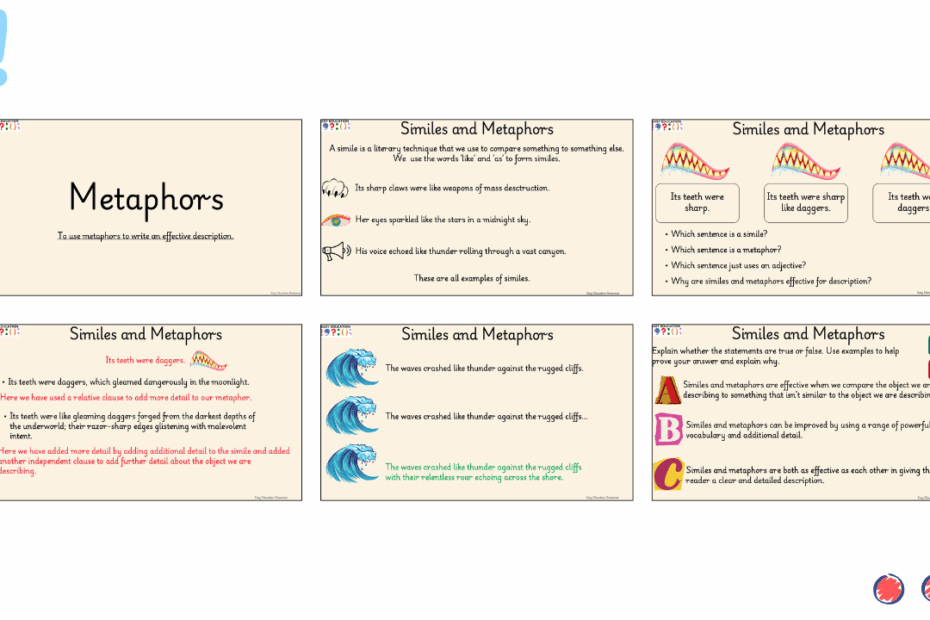
Similes and Metaphors

Help students master the art of comparison to bring their writing to life. This resource explores how similes and metaphors work, why they are effective, and how to develop them beyond a simple statement. Step-by-step examples guide learners from basic… Read More »Similes and Metaphors

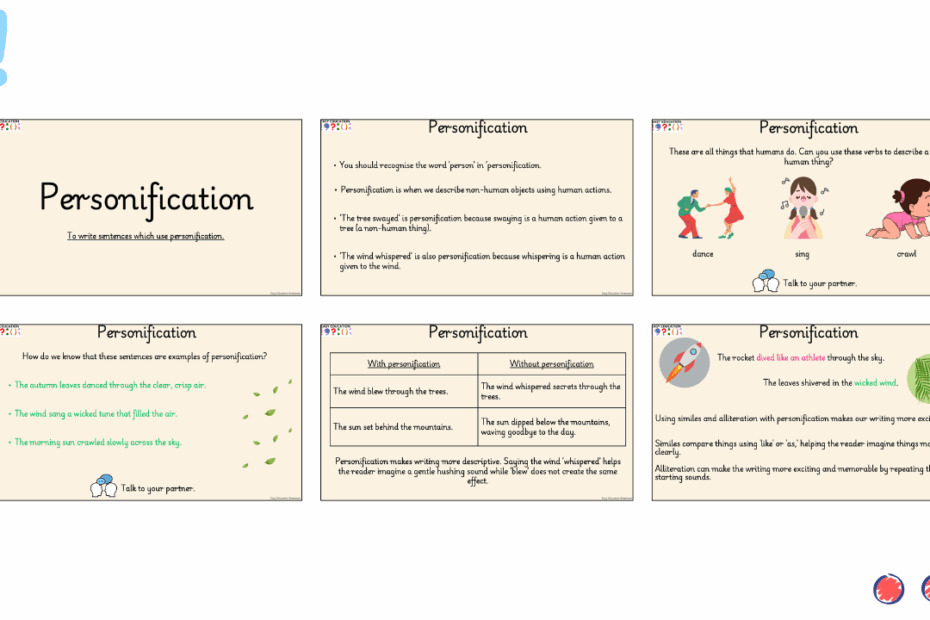
Personification

This lesson teaches students how to give human qualities to objects, animals and ideas, helping them paint clearer, more powerful pictures in the reader’s mind. Through examples, improvements and interactive activities, learners discover how personification can make their writing more… Read More »Personification

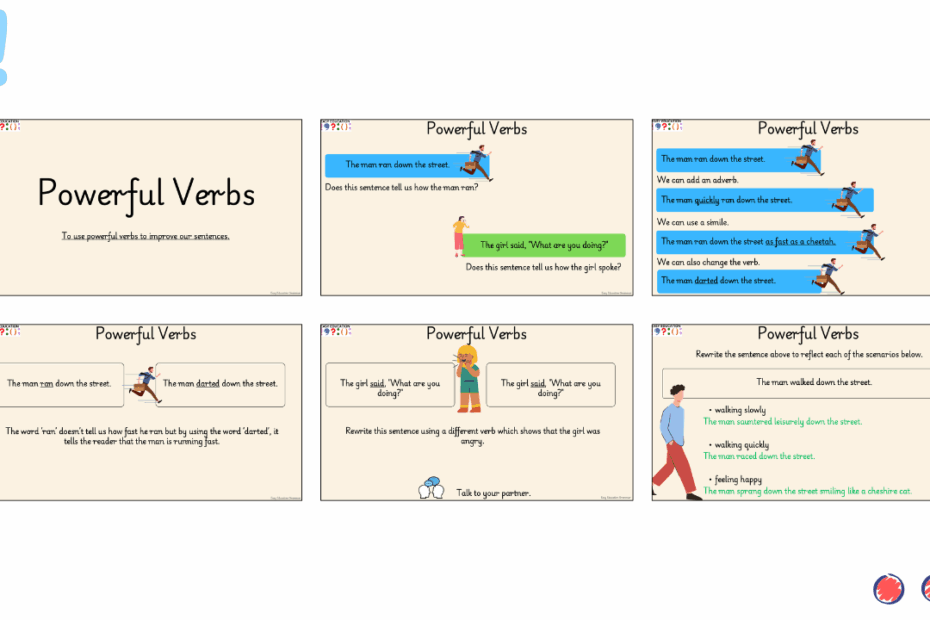
Powerful Verbs

This lesson helps children choose verbs that bring writing to life, replacing vague or ordinary action words with ones that add precision, emotion and energy. Pupils explore how a single verb choice can change the mood, pace or intensity of… Read More »Powerful Verbs

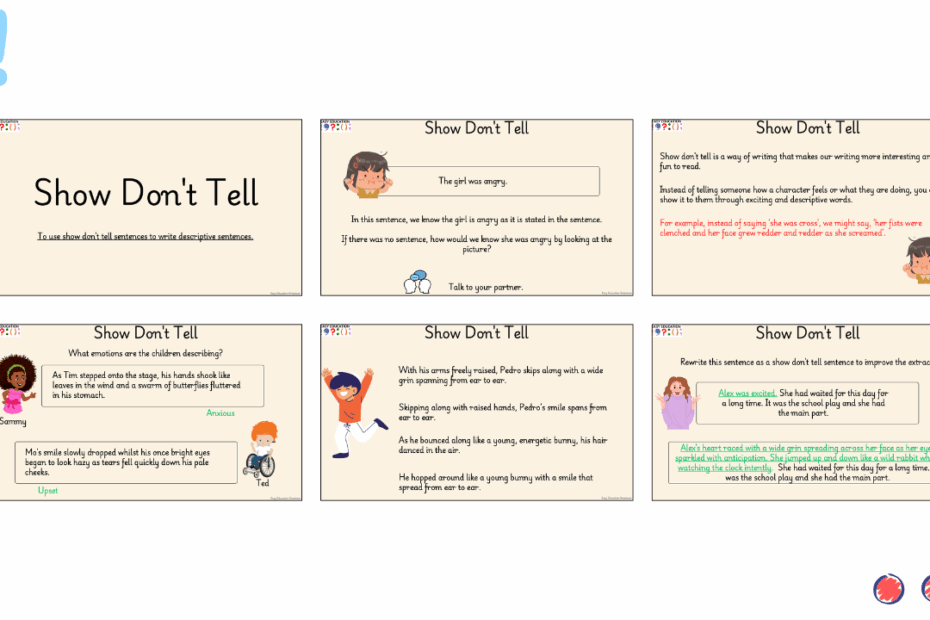
Show Don’t Tell

This engaging lesson helps pupils move beyond simply stating feelings to showing them through rich, descriptive detail. Learners explore how to portray emotions like anger, excitement, and worry using sensory language, comparisons, and varied sentence openers. Step-by-step slides guide them… Read More »Show Don’t Tell

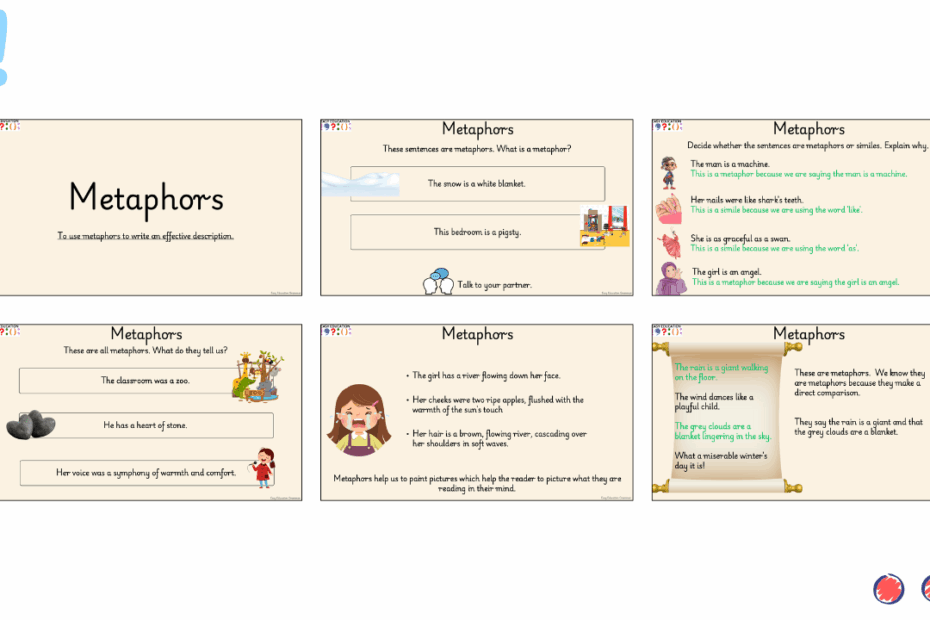
Metaphors

This resource helps pupils understand and use metaphors to make their writing more expressive and engaging. Through clear explanations, examples and interactive tasks, pupils learn how to compare two things directly to convey deeper meaning and paint stronger mental images… Read More »Metaphors

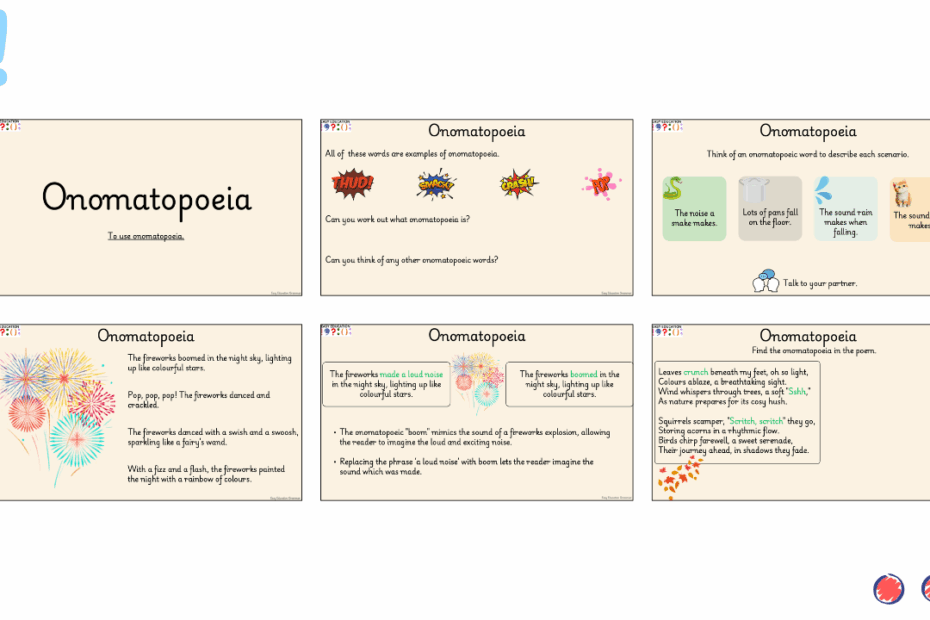
Onomatopoeia

This resource teaches pupils how to use words that imitate real sounds, adding excitement, rhythm and imagery to their writing. Through examples, identification tasks and creative sentence building, pupils learn how onomatopoeia can help the reader hear and picture the… Read More »Onomatopoeia

Personfication

This resource teaches pupils how to give human qualities to non-human things, making descriptions richer and more engaging. Through clear examples, guided discussions and creative tasks, pupils learn to spot and use personification effectively. They also explore how combining personification… Read More »Personfication

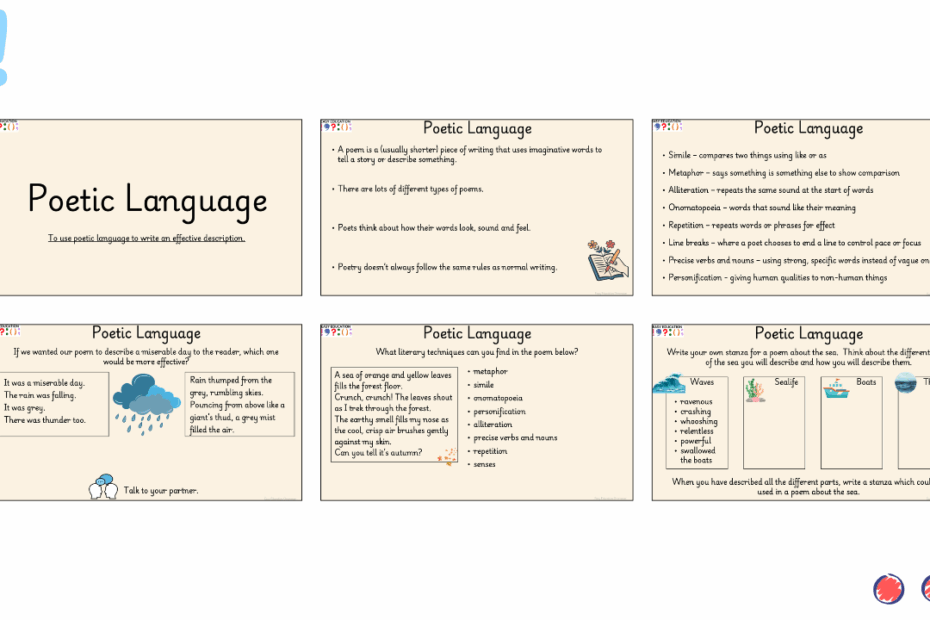
Poetic Language

This resource helps pupils understand the language features that make poetry effective and engaging. It explores techniques such as similes, metaphors, alliteration, onomatopoeia, repetition and personification, as well as the role of precise verbs, nouns and sensory detail. Through examples,… Read More »Poetic Language

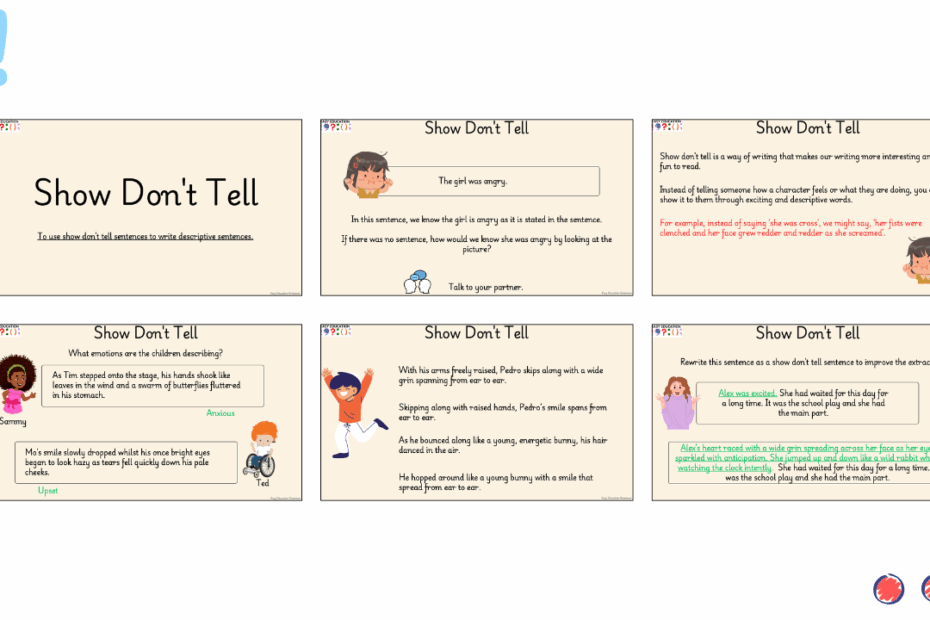
Show Don’t Tell

This resource teaches pupils how to show, not tell in their writing, helping them describe emotions, actions and situations in a way that allows the reader to picture them clearly. Pupils learn to replace simple ‘telling’ sentences with descriptive details… Read More »Show Don’t Tell